How gemstones are formed
From Deep Within the Earth
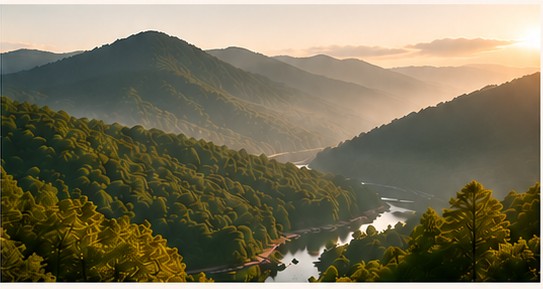
The extraordinary geological processes behind nature’s most captivating crystals.
Every natural gemstone begins with a set of geological conditions that may take place far below the surface of the Earth. Temperature, pressure, available chemical elements and time combine to allow minerals to crystallise.
Where crystals begin
Some gemstones form as molten rock cools and minerals crystallise. Others develop in metamorphic environments, where existing rocks experience heat, pressure and chemical change. Still others grow when mineral-rich fluids move through cracks and cavities, depositing crystals as conditions change.
The conditions vary enormously from one gemstone to another. Corundum, the mineral family that includes ruby and sapphire, often forms in metamorphic or certain igneous settings. Emerald requires beryllium and colouring elements such as chromium or vanadium to come together under unusual geological conditions.
Colour, character and time
Small amounts of trace elements can transform a mineral’s appearance. Chromium and vanadium contribute to emerald’s green; chromium gives ruby its red. Natural inclusions can preserve evidence of the conditions in which a crystal grew.
After formation, tectonic uplift, weathering and erosion may bring gemstone-bearing rocks closer to the surface. Some stones are recovered from their original host rock, while others are found in river gravels after being released by erosion.
The result is something remarkable: a naturally formed object whose colour, structure and individuality reflect its own geological history. That is what continues to fascinate us at Green River Gems.
Further reading: GIA — Seeing Green: All About Emeralds